Home Additions
in Oakland County.
Additions + Integration
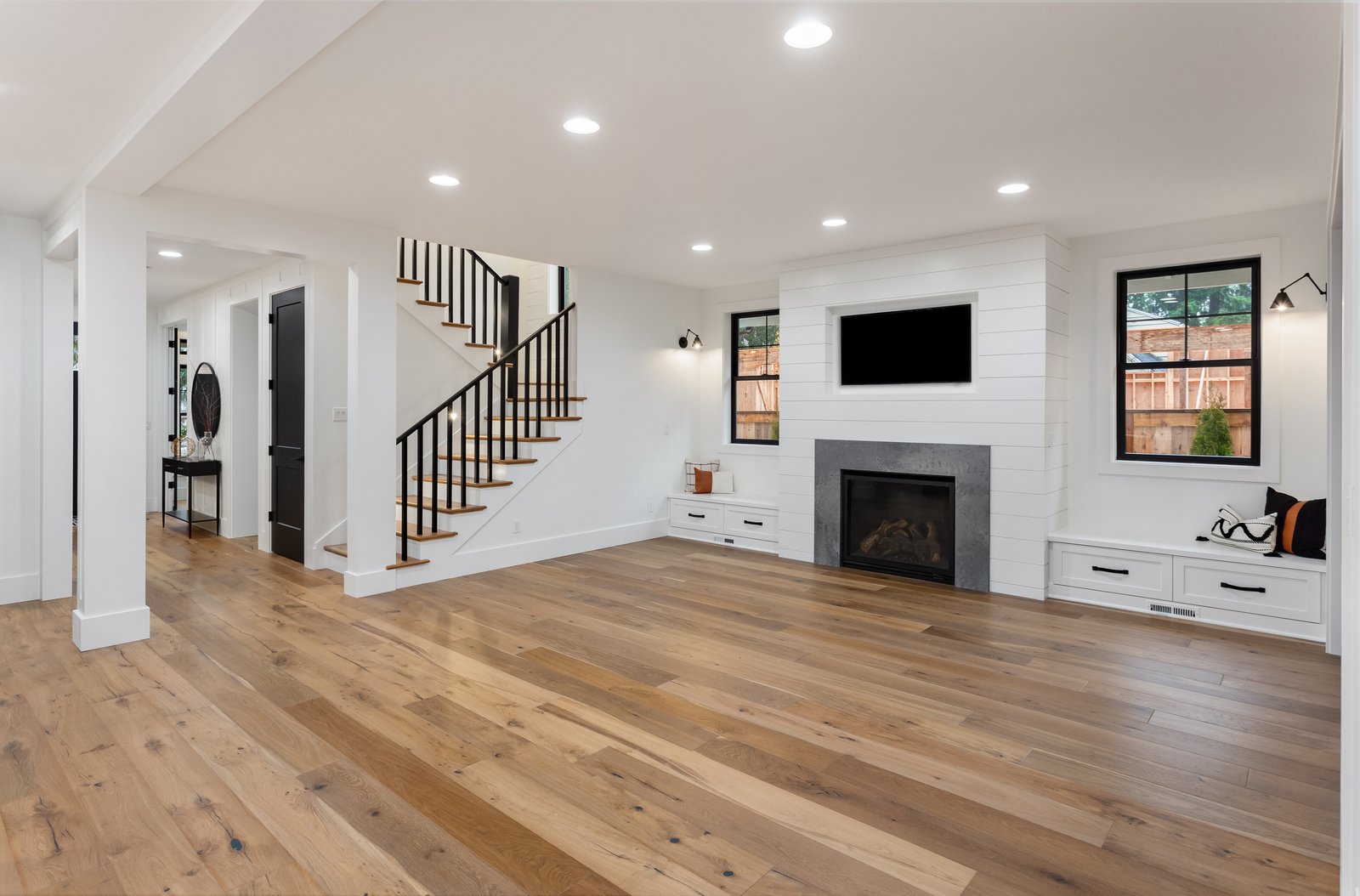
Home additions in Oakland County, Michigan. From $200,000, typically $275–$300/sf. Second-story, primary-suite, in-law suites, and integrated additions that combine new square footage with whole-home remodels.
From $200K · $275–$300/sf starting · Engineering + permits included
Addition + Types
Addition types we build.
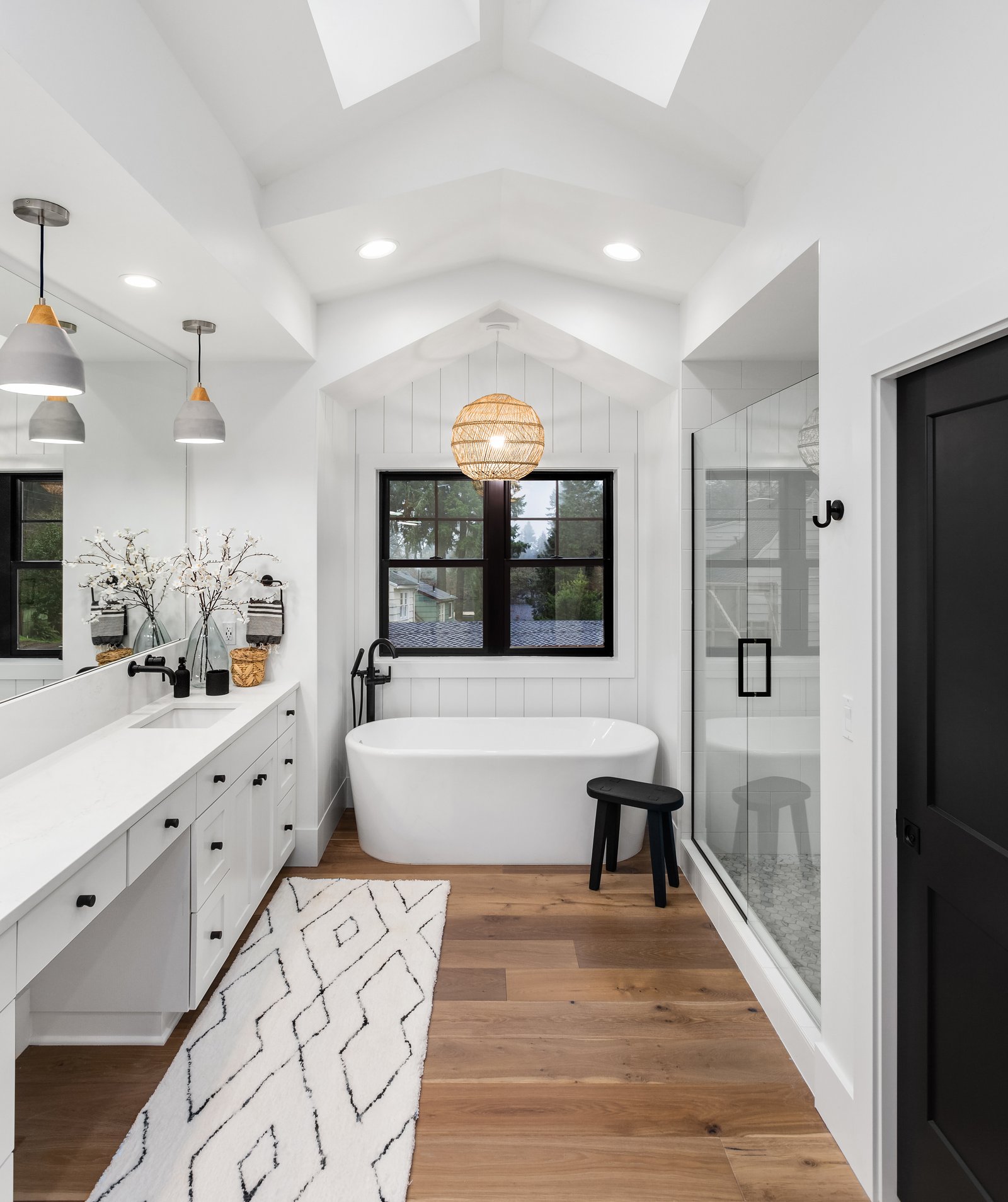
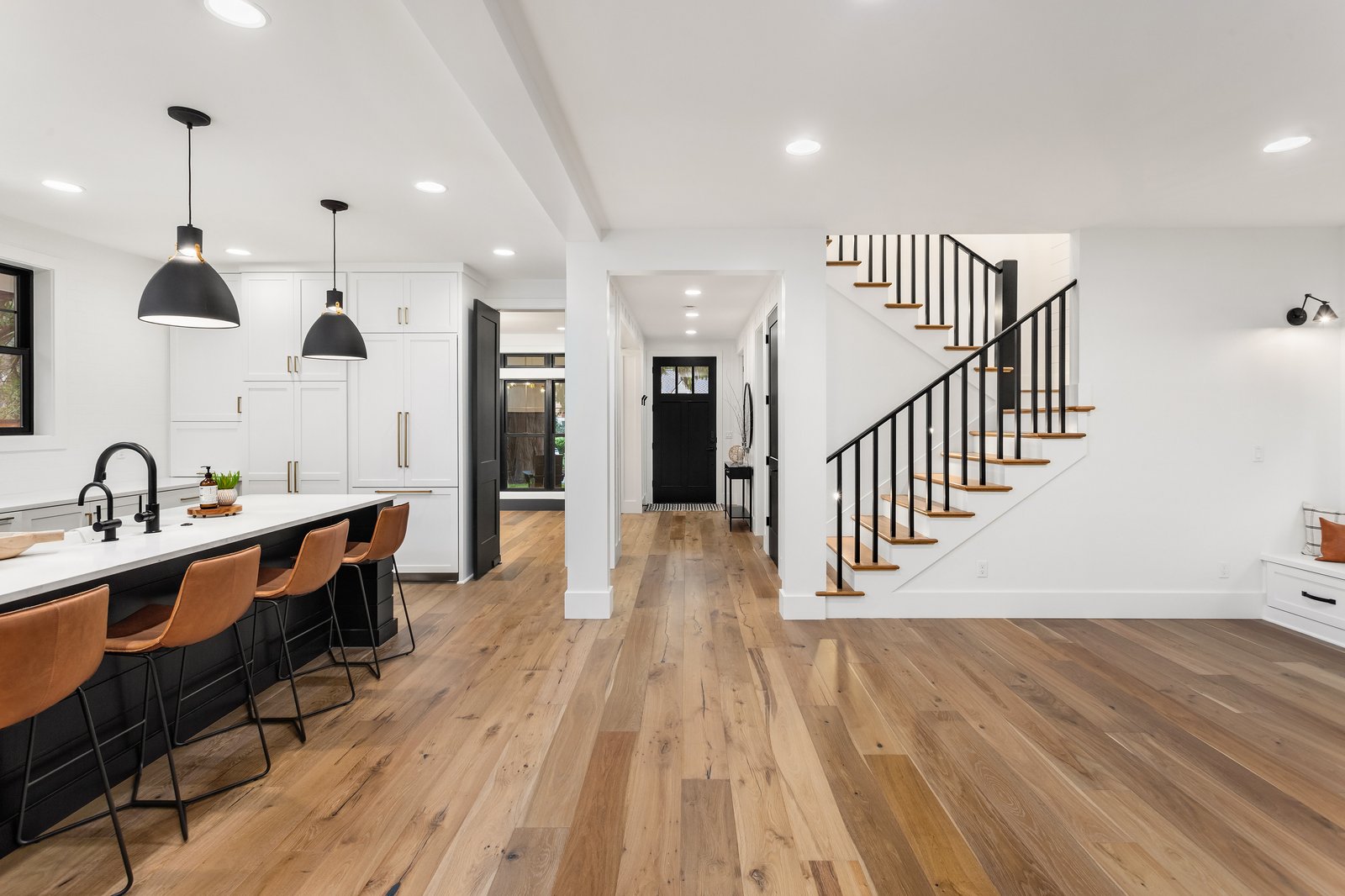
Addition work falls into four categories. Bump-outs under 300 sf land below our $200K floor, so we concentrate on meaningful square footage or structural expansion. We match rooflines, siding, foundations, window proportions, and finishes so the addition reads as part of the original house.
-
Second-story additions
Most common on the 1950s–1970s housing stock in Birmingham and the Bloomfields. Requires foundation capacity analysis, new load paths, roof reconfiguration, and carefully sequenced weather protection.
-
Primary-suite additions
Single-story footprint extension to add a primary bedroom, bath, and closet, typically with grade changes, HVAC extension, and tie-in to existing framing and roof.
-
In-law and accessory suites
Semi-independent living space, either attached to the main home or built as accessory to it. Permitting varies by municipality; we handle variance applications where required.
-
Integrated addition + remodel
Addition planned and built as part of a whole-home or main-floor remodel. The structure, mechanical systems, and finishes stay coordinated rather than meeting awkwardly at a seam.
Investment + Ranges
What additions cost.
Cost depends on square footage, whether structural changes reach existing framing or foundation, whether a second story is involved, and finish direction. Typical ranges by scope below. Final pricing is set during paid preconstruction.
Our $200K investment floor means small bump-outs are typically not in scope. Additions combined with whole-home or main-floor remodel scopes are our most common engagement.
Design + Engineering
Architect collaboration and engineering.
Additions begin two ways. One: our in-house design team from first sketch — architecture, structural and mechanical engineering, selections under the same roof as construction. Two: you arrive with an architect you've already chosen, and we join the design team from the first working session. Either way, contract single-source through RDB, with the builder in the design conversation from the start. That is what design-build means in practice.
Additions live or die on engineering. Second-story additions on Oakland County mid-century homes often require foundation capacity analysis and load-path reinforcement that less-experienced contractors miss — those costs get discovered during framing rather than priced during design. We engage structural engineers during preconstruction so the real cost is known before construction, not after framing crews find the foundation can't carry the load.
Permitting + Zoning
Local permitting and zoning.
Each of our seven municipalities has its own setback requirements, lot-coverage limits, and design-review process. Birmingham and Bloomfield Hills have historic district commissions with material and proportion review. Rochester and Rochester Hills have different setback rules. We handle permit applications, zoning variances, HOA submissions, and design-review hearings as part of preconstruction. You don't chase applications or sit in hearings unless you want to.
- Birmingham, MI
- Bloomfield Hills, MI
- Bloomfield Township, MI
- West Bloomfield, MI
- Rochester, MI
- Rochester Hills, MI
- Troy, MI
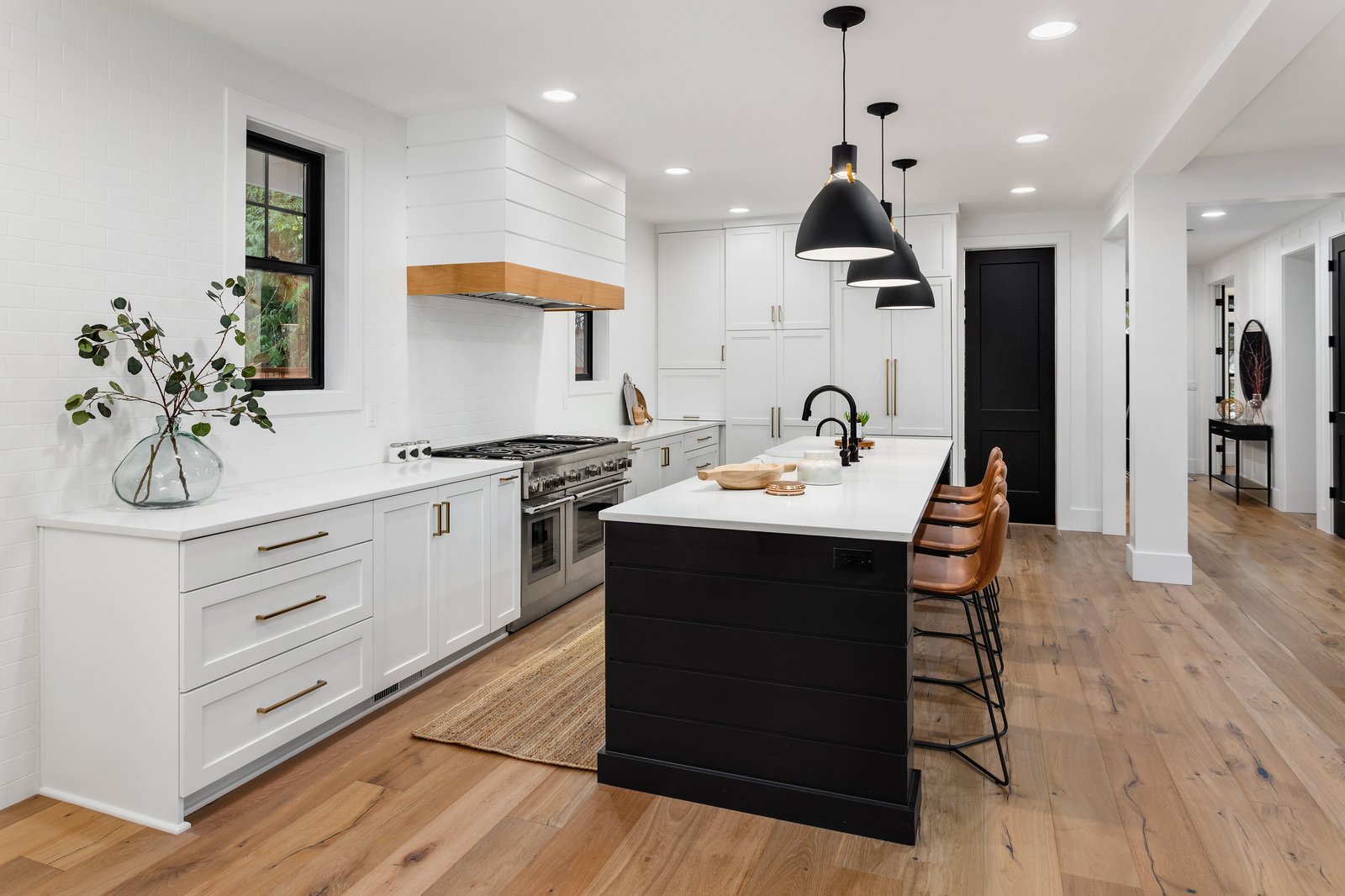
Featured + Work
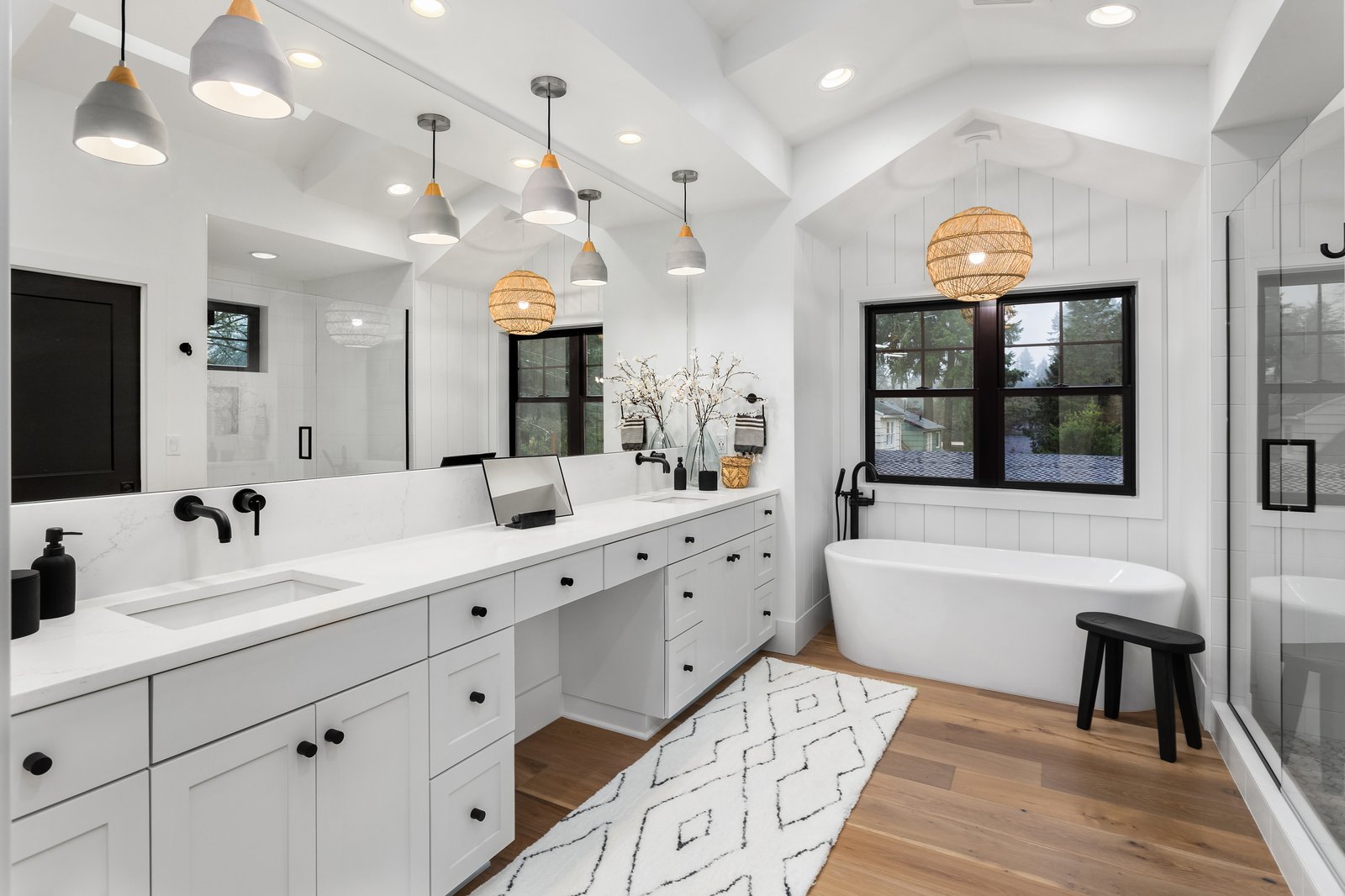
Recent addition projects.
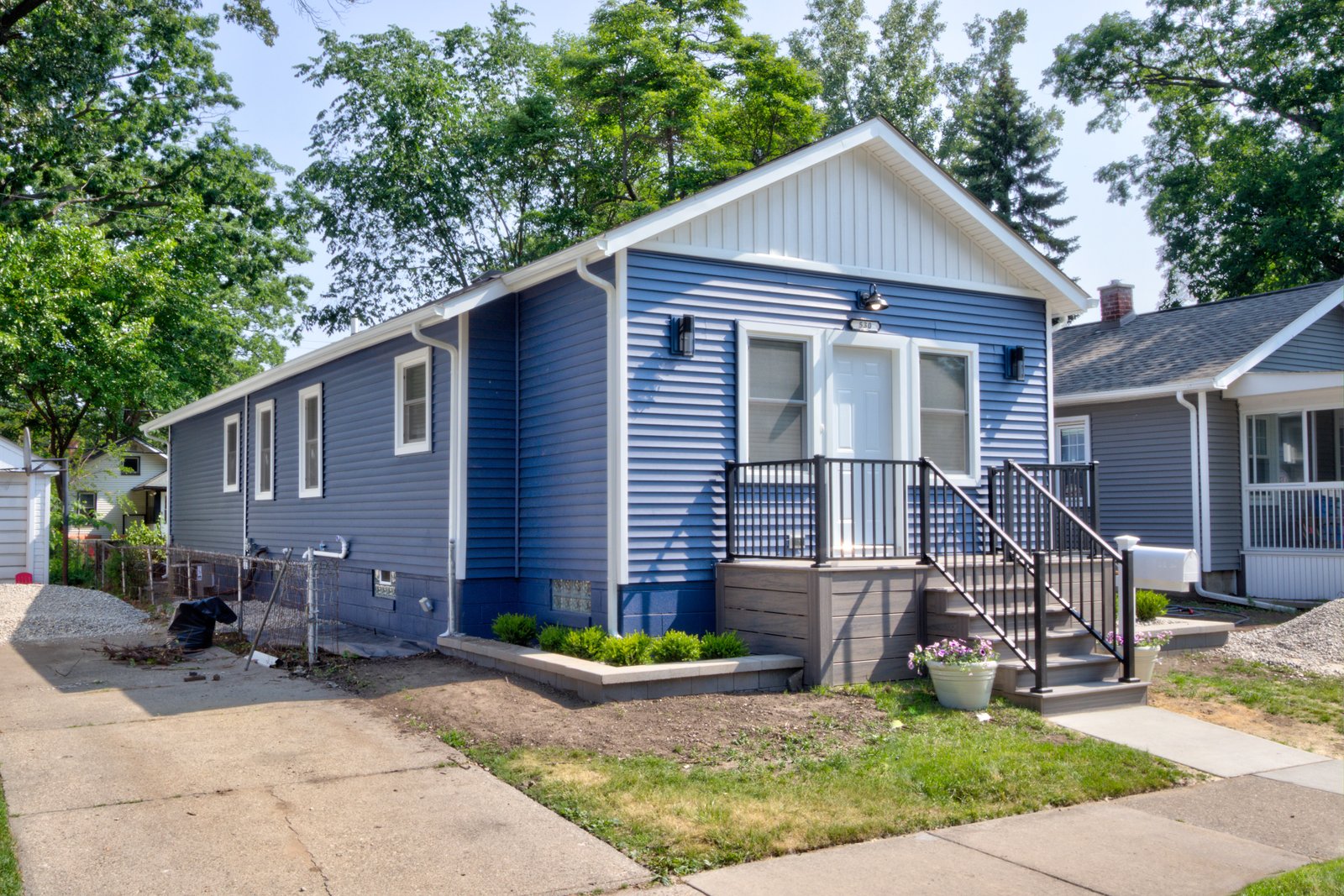
Hazelhurst + Remodel
Whole-home remodel with a major addition. Expanded footprint, two new bedrooms, and an expansive primary suite integrated into the plan.
Explore projectLakeside + Addition
Large addition anchored by a new living area, open kitchen, dining room, and a full primary-suite bathroom tied into the existing architecture.
Explore project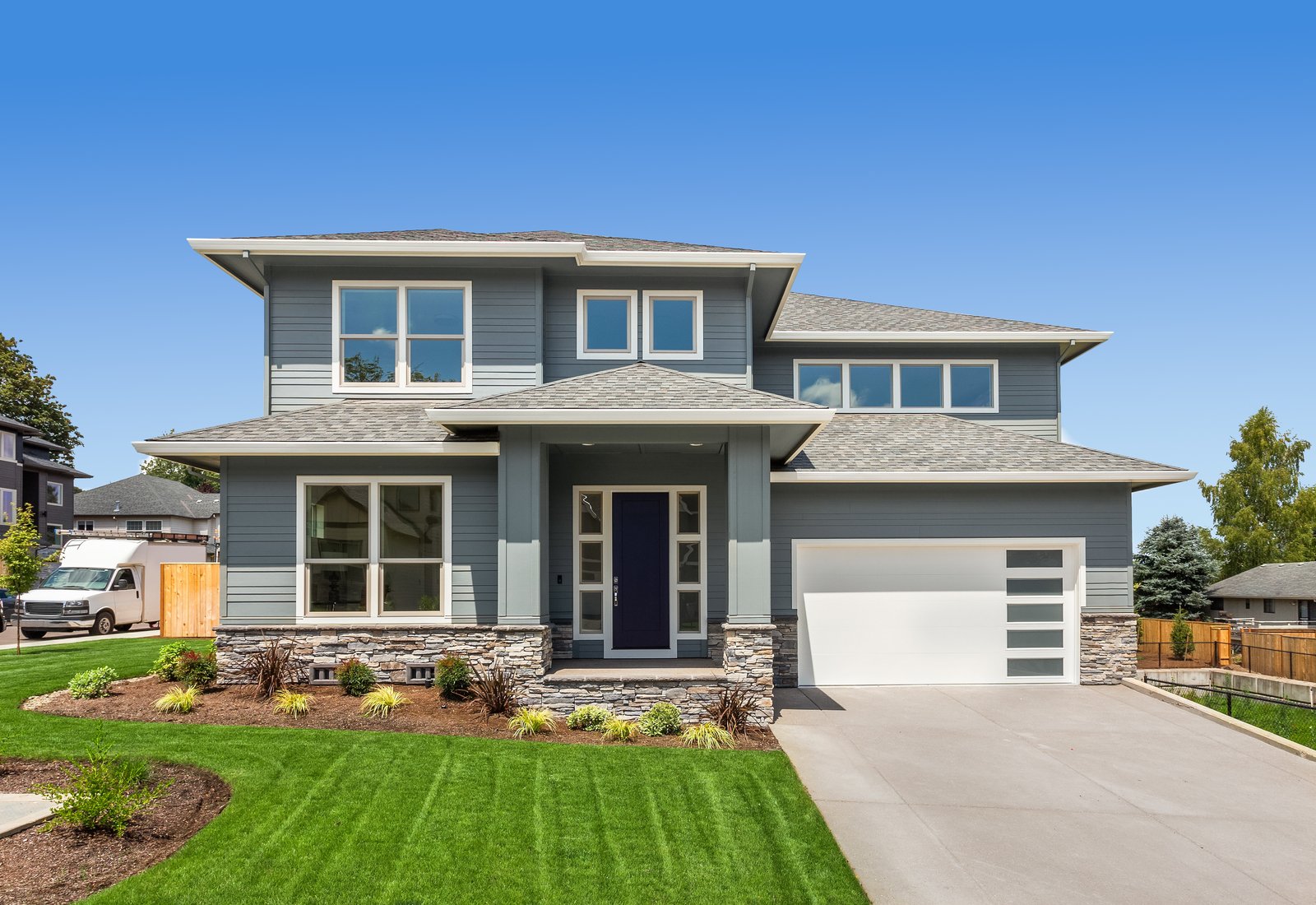
Elmwood + Estate
Complete rebuild with integrated addition. Kitchen, dining, and primary suite reworked alongside new square footage as one plan.
Explore projectQuestions + Answers
Frequently asked.
- How long does a home addition take?
- Budget 9–18 months first engagement through move-in. Preconstruction 4–8 weeks; construction 6–14 months by scope. Bump-out or primary-suite addition lands at the shorter end; second-story or integrated runs longer. Timelines fixed during preconstruction.
- Can you expand my footprint given my lot's setbacks?
- Site feasibility comes first. Each of our seven cities has its own setback requirements, lot-coverage rules, and (in Birmingham and Bloomfield Hills) historic and design-review boards. We review lot, footprint, zoning envelope, and variance options during discovery. If it isn't feasible, we tell you early — not after months of design work.
- Do you work with my architect?
- Yes, and many additions begin this way. When you bring an architect you trust, we join the design process from the first working session, validating buildability and pricing as design develops. The architect leads design; we bring construction intelligence. Contract stays single-source through RDB.
- Can an addition be integrated with a whole-home remodel?
- Yes, and most of our addition work is integrated this way. Design-build plans both scopes together so structural tie-ins, mechanical routing, finish transitions, and permitting stay coordinated. Splitting them into two separate projects costs more, takes longer, and creates seams.
- What about structural engineering on second-story additions?
- Second-story additions on Oakland County mid-century homes (especially 1950s–1970s Birmingham and Bloomfield stock) often require foundation capacity analysis, load-path reinforcement, and new structural framing that less-experienced contractors miss. We engage structural engineers during preconstruction so the real cost is known before framing crews find the foundation can't carry the load.
Last updated: April 2026
Guides + Reading
Addition guides.
Let's expand.
We take 12 projects per year. Secure your spot in our schedule.
Inquire About Your Project